

Vascular Occlusion Recognition for New Injectors
In aesthetic medicine, few complications create greater clinical urgency than vascular occlusion following dermal filler treatment. Patient outcomes are often determined long before intervention begins, despite the strong focus on treatment protocols and emergency response. They are determined at the point of recognition. Vascular occlusion recognition and prevention in aesthetic injecting is a critical framework for understanding how these outcomes are shaped early.
For new injectors, this distinction matters. Vascular compromise is often discussed as an emergency event requiring immediate correction, but in practice, tissue injury rarely appears suddenly. It develops through progressive physiologic changes that begin before tissue necrosis or visible injury becomes apparent. Understanding vascular occlusion recognition and prevention in aesthetic injecting requires identifying tissue changes early, not relying on emergency intervention alone. The injector who understands these changes can identify deviation earlier, intervene sooner, and preserve tissue integrity more effectively.
This is why foundational education matters. Early in training, particularly within a structured curriculum like Filler Fundamentals at Aesthetic Pro Academy, injectors begin moving beyond memorizing complication protocols and start understanding how anatomy, vascular pathways, and tissue response directly influence clinical decision-making. Without that transition, complication management becomes reactive rather than preventative. Safe injecting begins long before treatment. It begins with recognition.
Understanding Vascular Occlusion at an Anatomical Level
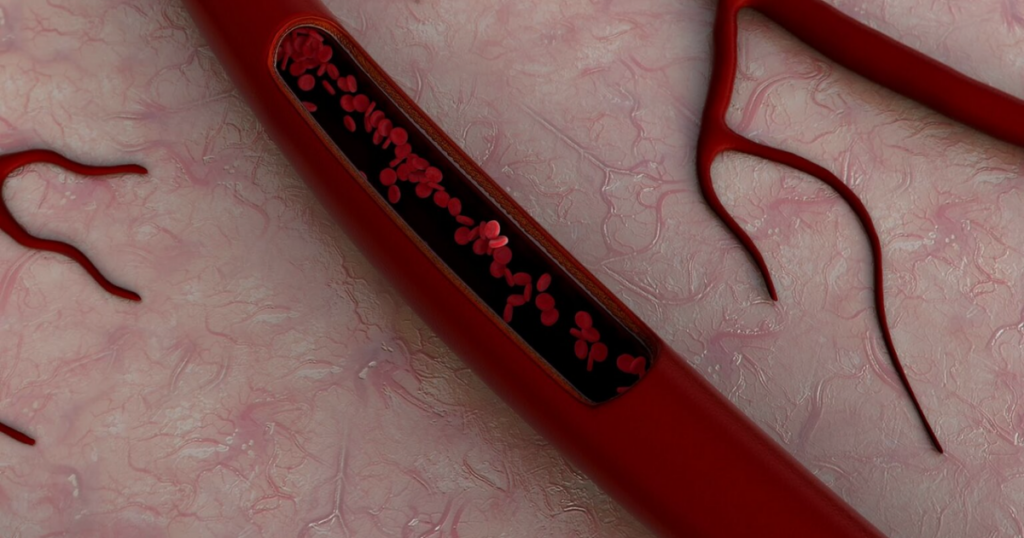
A vascular occlusion occurs when blood flow is disrupted after dermal filler placement or vessel compression. Vascular occlusion recognition and prevention in aesthetic injecting requires understanding anatomy and physiologic consequences beyond basic intervention.
The facial vascular system is not a series of isolated structures. Arteries, collateral circulation, superficial and deep tissue planes, retaining ligaments, and fat compartments function as an interconnected network. Blood flow supplies oxygen and nutrients necessary for tissue survival, and once perfusion becomes compromised, tissues begin responding immediately.
For many new injectors, there is a tendency to think primarily about where product is placed. However, the more important question becomes how surrounding tissues will respond after placement.
This is why anatomy education cannot exist independently from treatment planning. Within Filler Fundamentals, facial anatomy is taught directly alongside injection sites and vascular structures so students begin connecting anatomy to procedural decisions. Rather than simply identifying where vessels exist, injectors learn how vascular pathways influence injection depth, product placement, and safety considerations throughout treatment. Because in aesthetics, anatomy is not simply information. It becomes the framework through which every decision is made.
Technique Selection and Risk Reduction
Although no injection technique completely eliminates risk, technique selection directly influences safety profiles. Injection depth, product selection, injection speed, pressure, and anatomical location all influence tissue behavior. Yet many new injectors become focused on learning increasingly advanced methods before establishing the clinical reasoning required to support them. The appropriate question is not: “Which technique creates the most dramatic result?,” and instead: “Which technique creates the safest and most anatomically appropriate outcome for this patient?”
This relationship between anatomy and technique becomes particularly important during early education. Within Filler Fundamentals, injection principles are taught within the context of tissue behavior and treatment planning rather than isolated procedural steps. Concepts such as depth selection, injection patterning, and patient assessment are introduced as interconnected variables that influence both outcomes and complication risk. Because technique alone does not create safe injectors. Clinical judgment does.
Safety Considerations: Recognition Before Reaction
One of the most common misconceptions among new injectors is viewing vascular occlusion as an event that appears suddenly and dramatically.
In reality, vascular compromise often progresses through stages of tissue change before significant injury becomes visible. Subtle blanching, altered capillary refill, temperature variation, unusual discomfort, or livedoid changes may all appear before advanced tissue injury develops. Recognizing these signs requires observational skill rather than reaction alone.
This principle is emphasized heavily throughout Filler Fundamentals, particularly within complication management training where injectors are introduced to identify adverse reactions, vascular occlusion, and real clinical scenarios that reinforce pattern recognition. Understanding what tissue should look like, how it should behave, and when changes become clinically significant allows injectors to intervene earlier and more appropriately. Because by the time a complication becomes obvious, the earliest opportunity for intervention may already be gone.
Continuing Your Education at Aesthetic Pro Academy
Understanding vascular occlusion is not simply about learning emergency protocols. It is about developing a clinical mindset that allows injectors to recognize tissue behavior before complications progress.
As experience develops, injecting becomes less about product placement alone and more about understanding anatomy, anticipating risk, and making informed decisions under pressure. Technical skill remains important, but observation, judgment, and ethical decision-making ultimately shape long-term clinical outcomes.
At Aesthetic Pro Academy, our injections courses are designed to support that progression. Through anatomy education, injection principles, safety training, complication management, and guided clinical scenarios, students begin building the framework necessary for thoughtful and responsible injectable practice.
If you are ready to strengthen your understanding of anatomy-first filler injecting and build greater confidence in clinical decision-making, explore enrollment in Filler Fundamentals and continue developing the skills that support safer, more intentional practice.
start Training with aesthetic pro academy
Take the Next Step


Hide