

Inside the Beginner Injectors Training Bundle
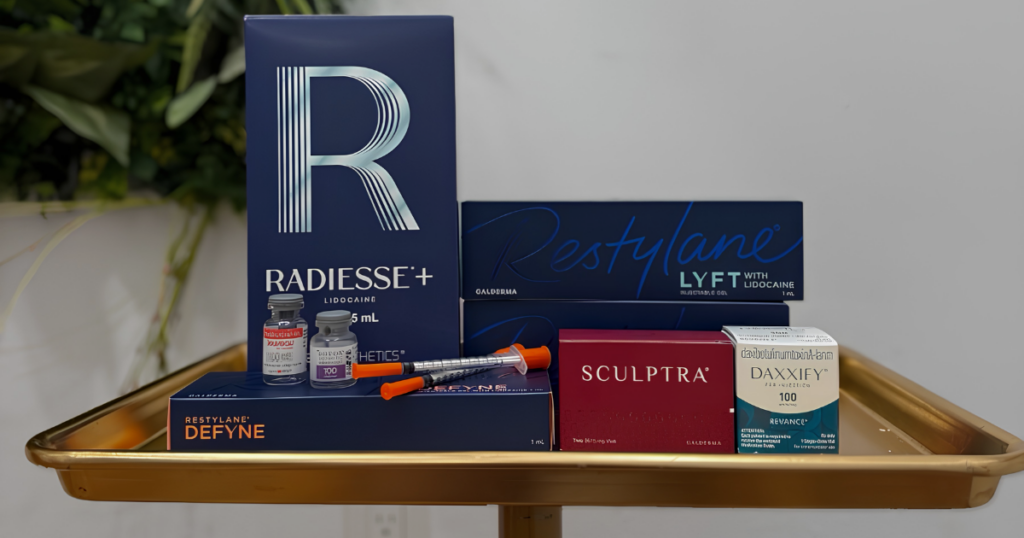
One of the most common mistakes new injectors make when entering aesthetic medicine is prioritizing technique over clinical foundation. Today’s aesthetics industry exposes providers to advanced treatments, social media trends, and accelerated learning opportunities almost immediately. While providers can easily access technical demonstrations, many lack structured education that teaches them how to think clinically before they begin injecting independently. This distinction matters more than many new providers realize.
Strong aesthetic outcomes require more than memorized injection patterns. Injectors create consistent, safe, and effective results through anatomy knowledge, patient assessment, treatment planning, tissue interpretation, safety awareness, complication management, and ethical clinical decision-making. Without these foundational skills, even technically correct injections can lead to inconsistent or unpredictable outcomes. Foundational training goes beyond teaching where to inject. It teaches providers why a treatment makes sense, how tissue will likely respond, how to evaluate risk, and when not to treat at all.
This is the framework behind the Beginner Injectors Training Bundle inside Aesthetic Pro Academy. While Aesthetic Pro Academy offers both Botox Basics and Filler Fundamentals as individual courses, the Beginner Injectors Training Bundle was created to provide new injectors with a more comprehensive starting point by combining both educational pathways into one structured foundation. Rather than learning neuromodulators and dermal fillers as disconnected treatments, students begin developing a more complete understanding of facial anatomy, movement, structure, tissue behavior, treatment planning, and safety from the very beginning of their injector education. This distinction is what ultimately separates technically trained injectors from clinically thoughtful injectors.
Inside Botox Basics
Botox Basics is designed to provide aspiring injectors with a foundation in neuromodulator treatments through anatomy-focused education, clinical decision-making, and safety-first injection principles.
Students begin by learning the history, science, and mechanism of action behind botulinum toxin, including FDA-approved indications, off-label uses, neuromuscular function, product metabolism, and key contraindications. From there, the course dives into facial anatomy, exploring target muscles, muscle-skin interaction, common treatment areas, and the vascular and nervous structures that every injector must understand before treating patients.
The curriculum also covers:
- Facial aging and muscle behavior
- Upper and lower face treatment areas
- Patient assessment and consultation principles
- Safety protocols and complication management
- Follow-up care and patient satisfaction strategies
- Real-world case studies and treatment scenarios
In addition to the educational modules, students access video demonstrations that cover neurotoxin tray setup, neuromodulator reconstitution, and six treatment-based case studies focused on upper and lower facial injections.
The course also provides downloadable clinical resources, including consultation forms, treatment records, informed consent documents, treatment planning templates, pre- and post-care instructions, and patient communication tools. Students deepen their understanding by reviewing supporting scientific literature on botulinum toxin safety, efficacy, and antibody development.
Inside Filler Fundamentals
Filler Fundamentals provides a detailed introduction to dermal filler treatments while emphasizing anatomy, patient safety, facial assessment, and ethical treatment planning. Students begin by learning the different types of dermal fillers, including hyaluronic acid and calcium hydroxylapatite products, while exploring product selection, filler rheology, longevity, and mechanisms of action. The curriculum then transitions into comprehensive facial anatomy, covering facial fat pads, bony support structures, aging-related volume loss, and the vascular anatomy that influences both treatment outcomes and complication prevention.
Key educational modules include:
- Dermal filler science and product selection
- Facial anatomy, fat compartments, and aging patterns
- Facial assessment and treatment planning
- Injection equipment and preparation
- Injection techniques including linear threading, fanning, depth, and angle considerations
- Vascular awareness and complication prevention
- Follow-up care and patient management
Students also receive focused training on some of the most commonly requested treatment areas in aesthetics, including cheeks, lips, and the pyriform aperture. Dedicated lessons cover anatomy, assessment, product placement considerations, and injection technique for each region.
To reinforce clinical application, the course includes video demonstrations on dermal filler tray setup, syringe preparation, lip filler treatments, and cheek filler treatments. Students also gain access to a robust library of downloadable resources including treatment records, intake forms, consultation questionnaires, consent documents, treatment plans, and complication management protocols.
Additional scientific literature reviews topics such as anaphylaxis recognition, delayed-onset nodules, vascular occlusion management, and the use of hyaluronidase in aesthetic medicine. Filler Fundamentals focuses on helping injectors understand why treatments are performed, how anatomy influences outcomes, and how to make safer clinical decisions as they begin their aesthetic careers.
Why Combining Both Matters Early
Students also learn how to assess and treat some of the most commonly requested areas in aesthetic medicine, including the cheeks, lips, and pyriform aperture. Dedicated lessons teach anatomy, assessment, product placement considerations, and injection techniques for each region.
To reinforce clinical application, students watch video demonstrations covering dermal filler tray setup, syringe preparation, lip filler treatments, and cheek filler treatments. The course also provides a robust library of downloadable resources, including treatment records, intake forms, consultation questionnaires, consent documents, treatment plans, and complication management protocols.
Students further expand their clinical knowledge by reviewing scientific literature on anaphylaxis recognition, delayed-onset nodules, vascular occlusion management, and the use of hyaluronidase in aesthetic medicine. Filler Fundamentals teaches injectors why treatments make sense, how anatomy influences outcomes, and how to make safer clinical decisions as they begin their aesthetic careers.
Why Combining Both Matters Early
One of the greatest advantages of the Beginner Injectors Training Bundle is that it helps new injectors build these foundations simultaneously rather than treating Botox and filler as completely separate skill sets.
As students progress through the program, they learn how movement influences aging, how structural support changes over time, and how anatomy guides treatment decisions across injectable modalities. This integrated approach strengthens pattern recognition, encourages safer treatment planning, and develops sound clinical reasoning early in practice.
For many new injectors, comprehensive education builds more long-term confidence than rushing into complex treatments without a strong foundation. The goal extends beyond learning procedures. The program develops injectors who understand anatomy, prioritize safety, assess patients thoughtfully, and approach aesthetic medicine with clinical intention from the very beginning.
What New Injectors Should Prioritize Early
Early injector education should prioritize clinical consistency before introducing greater complexity. Inside the Beginner Injectors Training Bundle, students develop anatomy fluency, patient assessment skills, conservative treatment planning habits, tissue interpretation abilities, safety awareness, and ethical clinical decision-making. These foundational skills give providers the stability and confidence to progress into advanced procedures and higher-risk treatment areas.
New injectors should prioritize learning how to:
- Assess facial anatomy accurately
- Recognize normal versus abnormal tissue response
- Understand how products behave within tissue
- Approach conservative treatment planning
- Identify when treatment may not be appropriate.
Equally important, providers must learn what should be delayed. Advanced cannula work, aggressive correction, complex full-face balancing, and high-risk vascular zones should only be approached after strong foundational understanding has been developed consistently. Confidence in aesthetics should come from repetition, anatomy knowledge, and clinical awareness, not speed.
Building Thoughtful, Anatomy-First Injectors
At Aesthetic Pro Academy, the Beginner Injectors Training Bundle was created to help new providers enter aesthetics with stronger clinical foundations and a more responsible approach to patient care. For students who want to move beyond online education and begin applying their knowledge in a clinical setting, the Beginner Injectors Training Bundle serves as the ideal foundation for the Aesthetic Residency. Through the residency program, students have the opportunity to participate in supervised hands-on training with live models, allowing them to translate anatomy knowledge, facial assessment skills, treatment planning principles, and injection techniques into real-world clinical practice.
Together, the Beginner Injectors Training Bundle and Aesthetic Residency provide a comprehensive learning pathway that connects education with clinical application. Students first build the foundational knowledge needed to understand why treatments make sense, how anatomy influences outcomes, and how to approach patient care safely. They then reinforce those concepts through guided clinical experience and hands-on model training.
The goal extends beyond teaching injectors how to perform treatments. We help providers develop critical thinking skills, assess patients safely, and make ethical clinical decisions long before they pick up a syringe. In aesthetic medicine, anatomy, judgment, restraint, and consistency drive long-term success.
If you’re ready to begin your injector career with stronger clinical foundations and anatomy-first education, explore our training options below.
start Training with aesthetic pro academy
Take the Next Step


Hide