

Smile Line Treatment For New Injectors
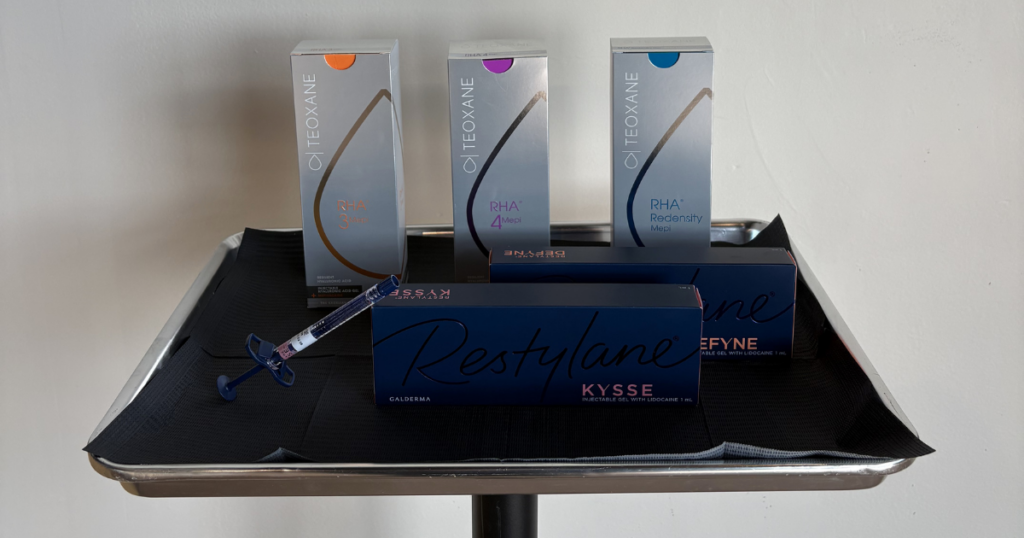
A common misconception is that every line from the nose to the mouth is a nasolabial fold requiring filler. Not all smile lines are the same, and distinguishing true folds from etched lines is essential for natural results.
For new injectors, learning this distinction often changes the entire approach to lower-face rejuvenation. The goal is not simply to fill every visible line. The goal is to understand why the line exists in the first place. And At Aesthetic Pro Academy, we’re here to help.
True Nasolabial Folds: A Structural Aging Concern
A true nasolabial fold is typically the result of structural aging rather than a problem isolated to the skin itself.
As we age, several anatomical changes occur simultaneously:
• Midface fat compartments lose volume
• Ligamentous support weakens
• Facial tissues descend inferiorly
• Bone resorption reduces structural projection
• Collagen production declines
As cheek and midface support declines, tissue descends, deepening the fold where the cheek meets the tissue around the mouth. This is what forms a true nasolabial fold. In these patients, the fold is often a symptom rather than the primary problem.
Attempting to aggressively fill the fold itself without addressing the underlying support loss can create heaviness, fullness around the mouth, and an unnatural lower-face appearance. While the line may temporarily appear softer, facial harmony is often not restored. This is why treatment planning should begin with a structural assessment.
Questions to ask include:
• Is there midface volume loss?
• Has tissue descended over time?
• Is cheek support diminished?
• Does the fold improve when the cheek is gently elevated?
In many cases, restoring support through the midface softens the fold indirectly before direct treatment of the fold is ever considered.
Superficial Smile Lines: A Skin Quality Concern
Not every line beside the mouth is a true fold. Many patients present with superficial creases or etched lines within the skin itself. These lines are often visible at rest and may resemble wrinkles rather than deep folds.
Unlike structural nasolabial folds, they are typically caused by:
• Repetitive facial movement
• Collagen loss within the dermis
• Skin thinning
• Photoaging
• Progressive line etching over time
When examining these patients, there may be minimal tissue descent and little to no significant midface volume loss. The issue is not that the tissue has fallen. The issue is that the skin itself has developed fine creasing. This distinction is important because adding significant volume to these areas often does not improve the problem.
The line is not deep because tissue is missing. The line is visible because the skin has become etched. In these cases, traditional fold filling may create unnecessary bulk while failing to adequately improve the superficial crease.
The Role of the Ferning Technique
For patients with superficial etched smile lines, the ferning technique can be an effective refinement strategy. This technique is covered in our Filler Fundamentals course. Rather than attempting to lift or fill a deep fold, the ferning technique focuses on improving the appearance of the etched line itself.
Using small superficial filler threads arranged in a branching or feathered pattern, product is distributed directly beneath the crease to support the skin and soften the visible etching. The goal is not volumization. The goal is line refinement.
This approach treats superficial wrinkles while preserving natural contours and facial movement. The injector disperses the product across the line instead of concentrating it within one fold.This technique smooths the area without adding excess volume to the lower face. For appropriate patients, it often creates softer, more natural results than traditional fold filling.
Why Proper Assessment Matters
The challenge for injectors is recognizing which type of line they are actually treating. While two patients may present with what appears to be the same “smile line,” the underlying cause can be completely different.
Patients with structural aging often benefit from restoring cheek or midface support before treating the fold directly. Patients with superficial etched lines may show minimal tissue descent. These patients often benefit from targeted line refinement techniques, such as ferning.
Many require little or no structural volumization. Using the same approach for both patients often produces disappointing results. Providers should always assess before they inject. Treatment plans should reflect the cause of the line, not just its location.
Product Selection and Tissue Behavior
Product selection matters when treating superficial smile lines in thin, dynamic tissue. The lower face moves constantly during smiling, speaking, eating, and facial expression. Firm or highly structural fillers can become visible or palpable in superficial areas. These products can also create heaviness in the lower face.
For etched line treatment, softer products that integrate naturally within the tissue are often preferred. Conservative placement, proper depth selection, and attention to tissue quality all contribute to achieving natural results.
Success is determined not simply by technique, but by the interaction between:
• Product choice
• Injection depth
• Tissue quality
• Dynamic movement
• Patient anatomy
Anatomy First, Filler Second
One valuable lesson for new injectors is that not every smile line requires the same treatment. Some lines result from tissue descent and volume loss. Others reflect collagen depletion, skin aging, and superficial dermal changes. When providers recognize these differences, they choose appropriate treatments and avoid unnecessary volume. This approach preserves natural facial movement and expression.
At Aesthetic Pro Academy, we teach injectors to move beyond a “fill the line” mindset and develop the clinical judgment necessary to understand why a line formed in the first place. Through our Filler Fundamentals course and Aesthetic Residency programs, students learn how to assess facial anatomy, identify aging patterns, understand tissue behavior, and create treatment plans rooted in anatomy rather than trends.
Because successful outcomes do not depend on how much filler you inject. They depend on your ability to assess, diagnose, and treat the underlying cause. The goal is not simply to teach injectors where to place filler. The goal is to train providers to evaluate the face confidently.
Providers make thoughtful treatment decisions and deliver natural, predictable results that earn patient trust. If you’re ready to strengthen your filler foundations, explore Aesthetic Pro Academy’s educational programs. Sharpen your assessment skills and build confidence in anatomy-first treatment planning. Take the next step toward becoming a safer, more skilled injector.
start Training with aesthetic pro academy
Take the Next Step


Hide